Estimated reading time: 12 minutes
What does recovery look like for the everyday athletes and fitness enthusiasts?
Most skincare brands don’t have an answer – at least not one that made sense to people coming off a 10K run, a CrossFit session, or a sweaty gym floor!
That gap is what made Fit Kit Bodycare stand out. It wasn’t created for beauty counters or luxury spas, it was built for bodies in motion.
As CMO, Brad Lazarus has helped shape it into a performance brand that now serves thousands of active customers across the UK and beyond.
Under his guidance, Fit Kit refined its messaging, rebuilt retention from the ground up, and grew nearly 900% in revenue over three years – without any paid ad dependency or investor capital.
This isn’t a story about marketing buzzwords or high-volume campaigns. It’s a clear example of what happens when a brand gets hyper-specific, leads with product insight, and commits to long-term customer connection.
He shared the key levers they pulled to scale sustainably, the mindset shift from conversion to connection, and why gifting – not performance ads – was their most effective growth channel early on.
Watch the recording here or read the full breakdown below! 👇
Top three quotes from the session
“If you can describe your product in a single sentence that makes someone nod, you’re 90% of the way there.”
“Retention isn’t something you add after acquisition – it’s what makes acquisition work.”
“We didn’t scale with paid. We scaled by showing up, solving problems, and making it ridiculously easy for customers to say ‘yes’ again.”
How it started: A brand built for people who move
Fit Kit wasn’t born in a skincare lab, it came from the gym floor. The brand was initially developed to serve people who were working out regularly, recovering hard, and not seeing any bodycare brand address their post-training needs.
Instead of soft, spa-focused language, Fit Kit spoke in the language of fitness and recovery. It didn’t promise glow – it promised relief.
When Brad joined the team, the product was already good. What it needed was sharper messaging, smarter growth infrastructure, and a better way to reach the right people and keep them coming back.
Milestone #1: Nail the message, and the right people will find you
Most brands make the mistake of trying to “appeal to everyone.” Fit Kit took the opposite route: they committed to becoming radically specific.
Brad helped reposition Fit Kit around three ideas:
The product is used after movement – not as part of a beauty routine.
The customer isn’t just active, they care about recovery.
The language should immediately clarify the benefit.
For example, instead of saying “hydrating body lotion,” they used phrases like:
“Cool your quads after a tough session.”
“The muscle rub that makes leg day less brutal.”
“Fast-absorbing, gym-bag ready.”
This kind of messaging cut through the noise, spoke directly to the target audience, and removed ambiguity at the point of purchase.
Milestone #2: Forgot overpaid influencer marketing for relationship-led gifting
In the early days, Fit Kit didn’t invest in traditional influencer campaigns or ambassador programs. Instead, they built a strategic gifting engine.
Brad and the team identified creators who:
Posted authentically about fitness, recovery, or sports therapy
Had small to mid-sized followings with real engagement
Weren’t already bombarded by dozens of brands
Then, instead of a templated pitch, Brad would personally reach out with a short, sincere message. Something like:
“Hey, I’m a fan of what you’re doing. I work with a recovery brand you might actually like. No pressure—just keen to send you some product.”
That personal touch created real connections. And because the product worked, it often led to authentic, unsolicited shoutouts, product mentions in gym bag reviews, and recovery routine videos.
Over time, that content built both reach and trust, without a formal campaign in sight.
Now that the company has seen some success, the pivot to more paid UGC campaigns makes sense and is something they're using more frequently on platforms such as StarNow.
Milestone #3: Focus on retention before you scale acquisition
Fit Kit didn’t treat retention as a CRM problem – they treated it as a product insight opportunity.
Brad and the team built a customer journey that anticipated questions, solved friction, and made reordering much easier.
They didn’t wait until churn happened to react, they engineered an experience that earned repeat business from the first touchpoint.
Their retention model included:
Post-purchase flows that educated without overwhelming
Replenishment reminders that felt timely, not pushy
Customer stories that validated buyer decisions
Onboarding emails that clearly showed when, how, and why to use each product
Over time, the data showed that a high percentage of customers returned within 60 days, especially when they received tailored emails aligned with workout frequency or seasonal changes.
Tactic Tip #1: Copywriting isn’t just conversion – it’s positioning
Brad emphasized that most small brands think they have a marketing problem, but really they have a clarity problem.
Fit Kit didn’t need flashy design or expensive video shoots. What they needed was copy that hit immediately.
Their product pages did three things exceptionally well:
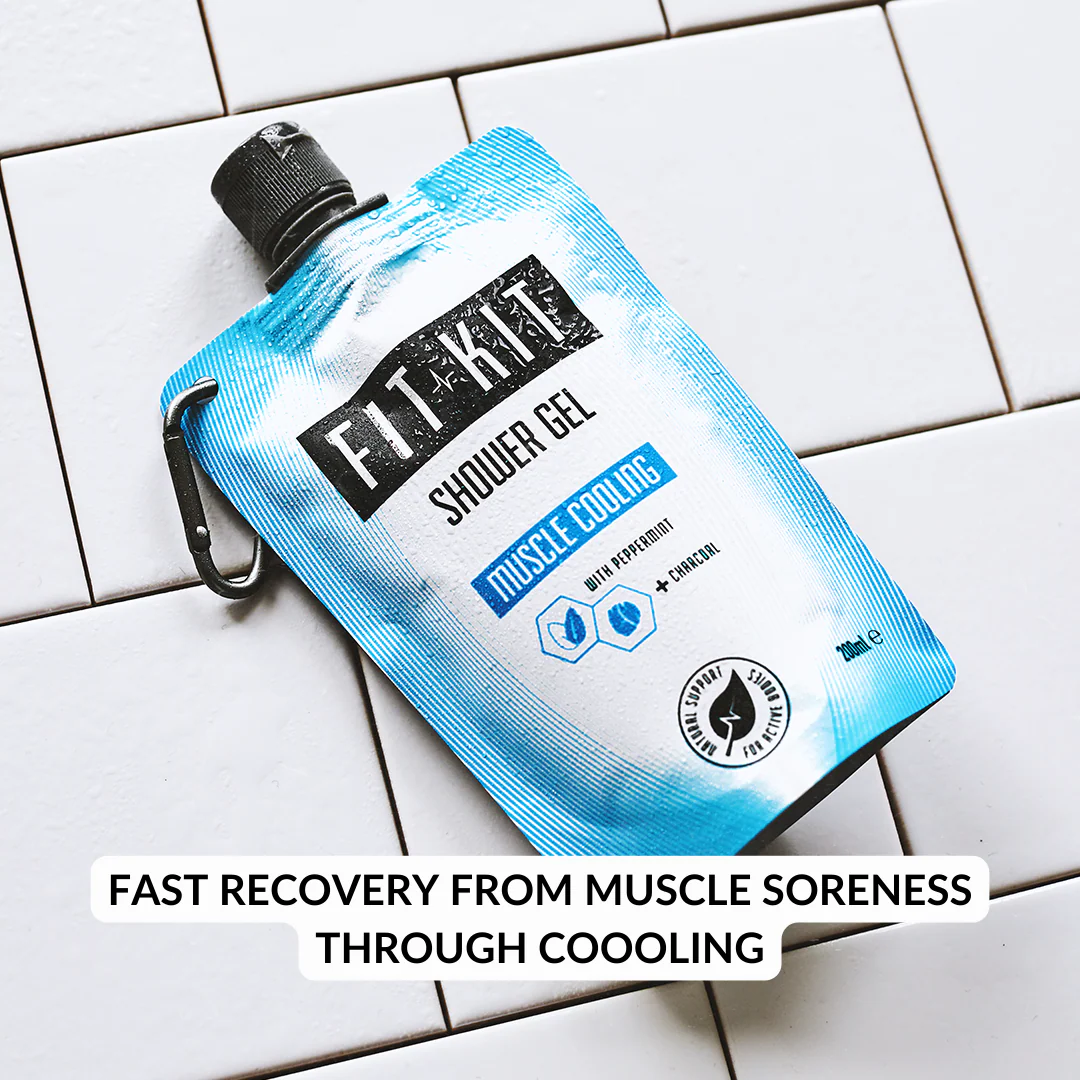
Stated the problem clearly (“post-workout soreness”)
Framed the solution quickly (“fast-absorbing recovery rub”)
Answered objections before they arose (“non-greasy,” “natural ingredients,” “gym-bag friendly”)
This reduced buyer hesitation and increased both conversion rate and satisfaction. Customers felt like the brand understood them—and they rewarded that clarity with loyalty.
Tactic Tip #2: Gifting, when done correctly, is more scalable than you think
Gifting wasn’t about blasting 200 creators and hoping five post. Instead, Brad built a repeatable, focused process that any lean brand could emulate:
Target the niche
Search for creators who already talk about recovery, sports injuries, or gym routines – not just big lifestyle influencers.Make it personal
Use their name. Reference a video. Show that you actually follow them and prove why you think it's a good fit.Ask, don’t demand
Avoid pushing for a post and let the product speak for itself.Follow up with care
Once the creator receives the product, check in naturally. Ask for feedback before asking for promotion.
Over time, Fit Kit built a long-tail of unpaid content that drove thousands of clicks—without needing a paid ambassador program or affiliate scheme.
Tactic Tip #3: Reviews are gold – but only if you use them
Fit Kit didn’t just collect reviews – they studied them.
Using Judge.me, they set up an automated Slack feed that shared every review in real time. This allowed the entire team to spot:
Common product benefits mentioned by customers
Unexpected objections
Phrases that showed emotional response (e.g., “I didn’t think this would work, but…”)
Brad would regularly lift lines directly from reviews and test them in:
Subject lines
Landing page headers
Retargeting ad copy
One review: “This is the only thing that helps my knees after squats,” ended up outperforming more polished agency copy by a wide margin in email and paid placements.
Tactic Tip #4: Ads remain number one lead generator
Unlike many brands that downplay paid acquisition, Fit Kit has embraced Meta ads as the core engine of its growth. Brad was clear: ads aren’t a side channel — they’re the foundation.
Today, around 80–85% of Fit Kit’s sales come directly from Meta ads, making them the brand’s primary growth driver. With a lean team of just two full-time staff, the company made a strategic choice to double down on Meta rather than spread themselves thin across too many channels.
Their approach is highly seasonal. The biggest bursts of spend happen around gifting periods like Valentine’s Day, Father’s Day, and especially Christmas, when as much as 50–60% of annual revenue comes in Q4.
During these windows, Fit Kit scales ad spend aggressively – moving from a few hundred pounds per day to several thousand – in order to capture peak demand.
Brad also noted a halo effect on Amazon sales, where many customers first encounter Fit Kit through Meta ads and then choose to purchase on Amazon, particularly in the run-up to Christmas.
In other words, while retention, gifting, and reviews are all part of the story, ads are still the primary lever behind Fit Kit’s rapid scale and it takes time to get right.
Tactic Tip #5: Email is where loyalty lives and conversions are nurtured
For Fit Kit, email isn’t just about loyalty – it’s the backbone of how they capture data and turns interest into sales.
Brad explained that Meta ads bring people to the site, but many don’t buy immediately. Email fills that gap. By capturing first-party data through sign-ups, Fit Kit is able to “own the traffic” and build a direct line of communication with potential customers.
From there, automated flows in Klaviyo take over. These include:
Discount reminders (like 15% off for first-time buyers).
Educational sequences explaining how and when to use the products.
Testimonials and reviews that build credibility and address objections.
These flows are carefully designed to nurture non-buyers into buyers, moving prospects from browsing to checkout.
On top of automation, the team also sends weekly broadcast emails to stay present in the inbox, reinforce the brand story, and keep conversion opportunities alive.
Examples of high-performing campaigns included:
“How to build your post-workout recovery kit”
“Why you’re sore—and what to do about it”
Customer spotlights with quotes pulled from real reviews
Every campaign served a purpose: make the customer feel seen, validated, and supported in their health goals.
While email certainly contributes to long-term loyalty, its primary role for Fit Kit is clear: it’s where first-party data is captured, and where conversions are actively nurtured.
The result? High open rates, excellent click-throughs, and a subscriber base that has turned into long-term buyers and tru advocates for the brand.
Final thoughts: Growth comes from knowing exactly who you serve
Brad and the team at Fit Kit Bodycare didn’t try to make the brand for everyone. They focused their efforts on the people who already knew the pain of recovery – and made their lives easier, one product at a time.
From founder-fit to product-market fit, Fit Kit’s rise wasn’t fueled by hype or headlines. It was fueled by clarity, consistency, and care.
If you’re building today, start by asking:
Who exactly am I helping?
How do they talk about their pain?
Can I earn the second order without spending more on the first?
Because when your product meets a real need – and you speak directly to it – growth becomes more about service than strategy.
Explore Fit Kit Bodycare → fitkitbodycare.com and watch the session below.